



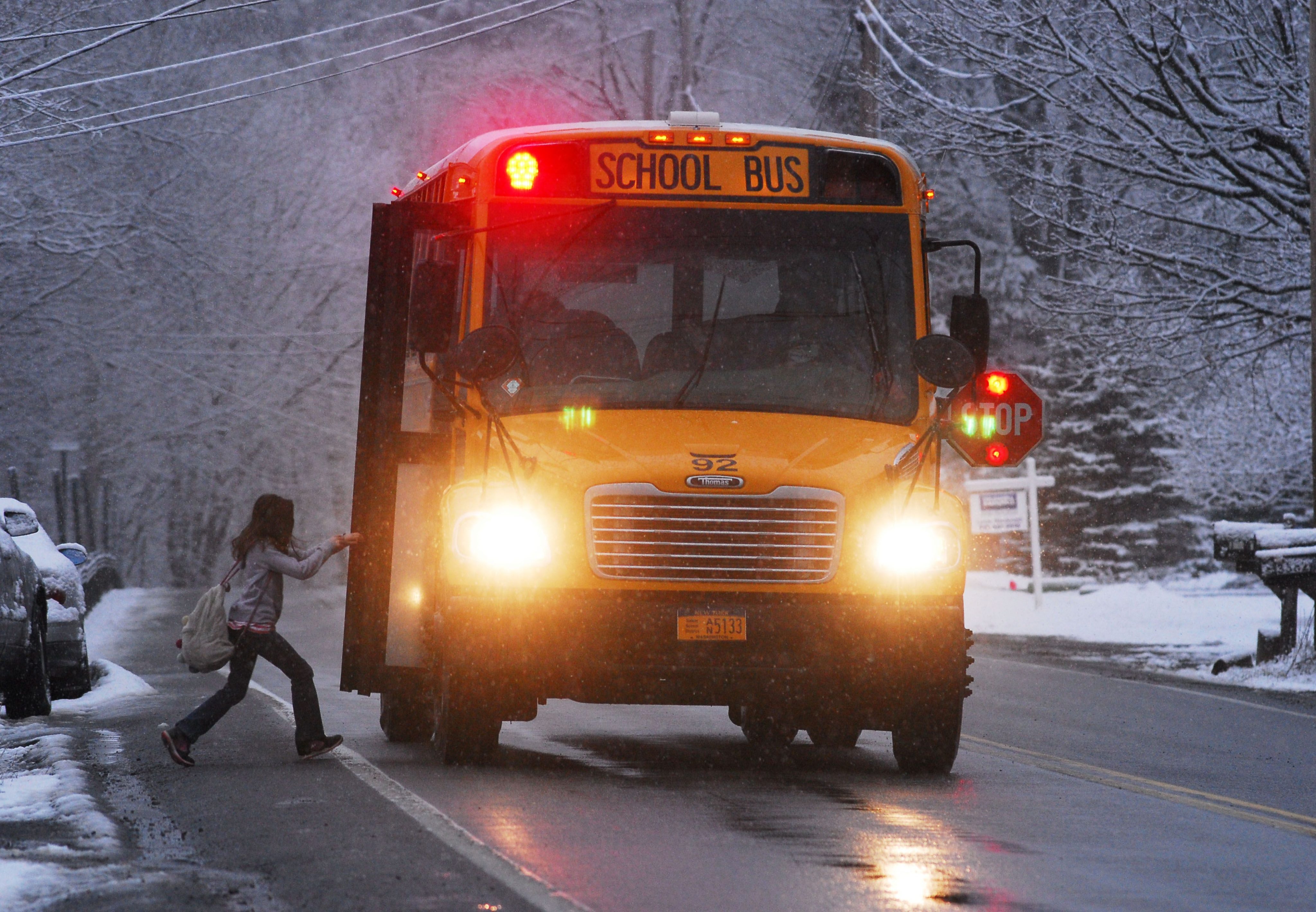
Why the back-to-school season matters for buyers and sellers.
When buyers look at a home, they usually think about bedrooms, bathrooms, the kitchen, the yard and the neighborhood.
But if you have kids, there is another part of the house you should test before making an offer:
How are we actually getting to school every day?
That question can matter more than you think.
A home can look close to a school on a map and still create a surprisingly difficult morning routine. The bus stop might be farther away than expected. A seemingly short walk might require crossing a busy road. Or the school traffic may turn a five minute drive into a much longer one.
In Minnesota, transportation can also depend on the specific address and the school district.
Do not assume a home is too close for the bus
Minnesota law generally provides regular transportation for elementary students who live at least one mile from school and secondary students who live at least two miles away. Districts can also provide transportation for students who live closer when traffic or other safety conditions warrant it.
That means you should not rely on a simple Google Maps distance or something a neighbor tells you.
Ask the school district about the actual address.
That is especially important if you are buying near the edge of a school boundary.
Test the morning, not just the house
One of the best things a buyer can do is visit the neighborhood during the actual school commute.
Try the drive around 7:30 or 8:00 in the morning.
Look at:
• How backed up are the roads?
• Where are the school buses stopping?
• Are kids walking or biking?
• Are there crossing guards?
• Are cars parked along the street?
• How difficult is it to get out of the neighborhood?
• Does the route still make sense when it is dark, snowing or raining?
A quiet neighborhood on a Saturday afternoon can look completely different on a Tuesday morning.
The distance is not the whole story
This is one of the things I think buyers often overlook.
A house that is technically close to school is not necessarily a house where you would want your child walking.
Look for sidewalks, crosswalks, visibility, traffic speeds and the number of major roads a child would need to cross.
Minnesota has an established Safe Routes to School program focused on making walking and biking to school safer and easier. The state also requires Minnesota public school students to receive instruction in safe walking and bicycling skills.
Still, I would personally walk the route before buying.
You are buying the route, not the measurement.
Think about the next five years
Your transportation needs will probably change.
An elementary school child may need to be driven or walked to the bus stop. A middle schooler may want more independence. Eventually, your teenager may be walking, biking or driving themselves.
The neighborhood that works beautifully today may not work the same way five years from now.
That is why I encourage buyers to look beyond the current school year.
And then there is Minnesota winter
This one deserves its own consideration.
A route that looks easy in September may feel very different in January.
Are the sidewalks maintained?
Where does snow get pushed?
Are intersections easy to see?
Would you be comfortable with your child waiting for the bus when it is dark and 10 degrees outside?
You do not need to eliminate every inconvenience. That is impossible.
But you should understand what your normal Tuesday morning will actually look like.
My simple test for buyers
Before you make an offer on a home with school age children, I would do four things:
1. Confirm the assigned school.
Do not rely on a listing or a neighborhood assumption. Verify the address with the district.
2. Confirm transportation.
Ask the district whether the address qualifies for bus transportation and where the stop is located.
3. Drive the route during school traffic.
See what the commute actually feels like.
4. Walk the route.
Even if your child will take the bus, walking the neighborhood tells you a lot about how the area functions for families.
One last thought
When you are buying a home, it is easy to fall in love with what you see during a showing.
The bigger question is whether you will still love how the home works six months later.
The school commute is one of those everyday details that rarely shows up in the listing photos, but you may experience it hundreds of times each year.
Do not just look at the house. Test the life that comes with it.
Original article: Homes.com: Bus routes, walk zones and school commutes: What to research before buying
Check out this article next